Summer 2018

Flyer from our first ever Community Archaeology gathering.
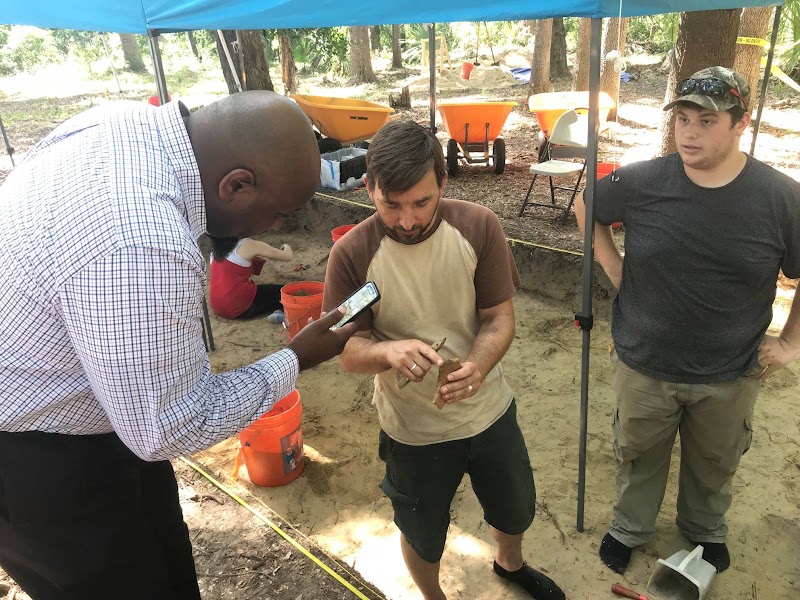
Ahmad Ward looking at a piece of newly excavated colonware at the 2018 dig.
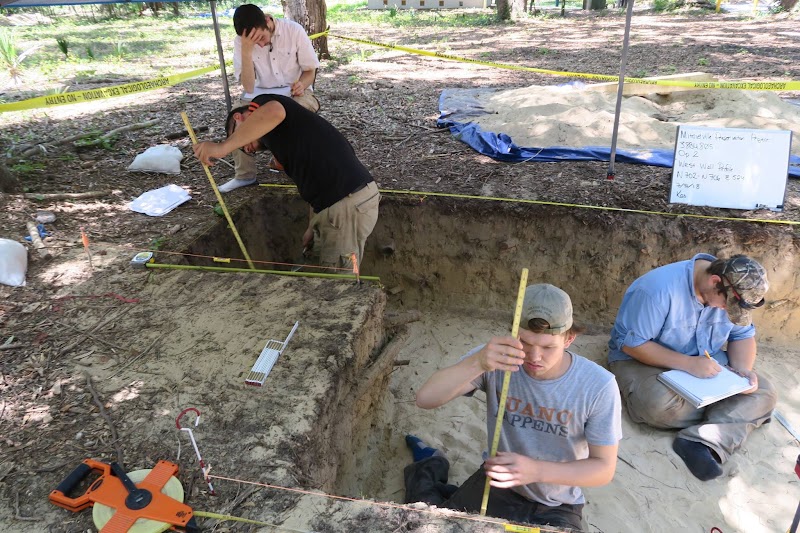
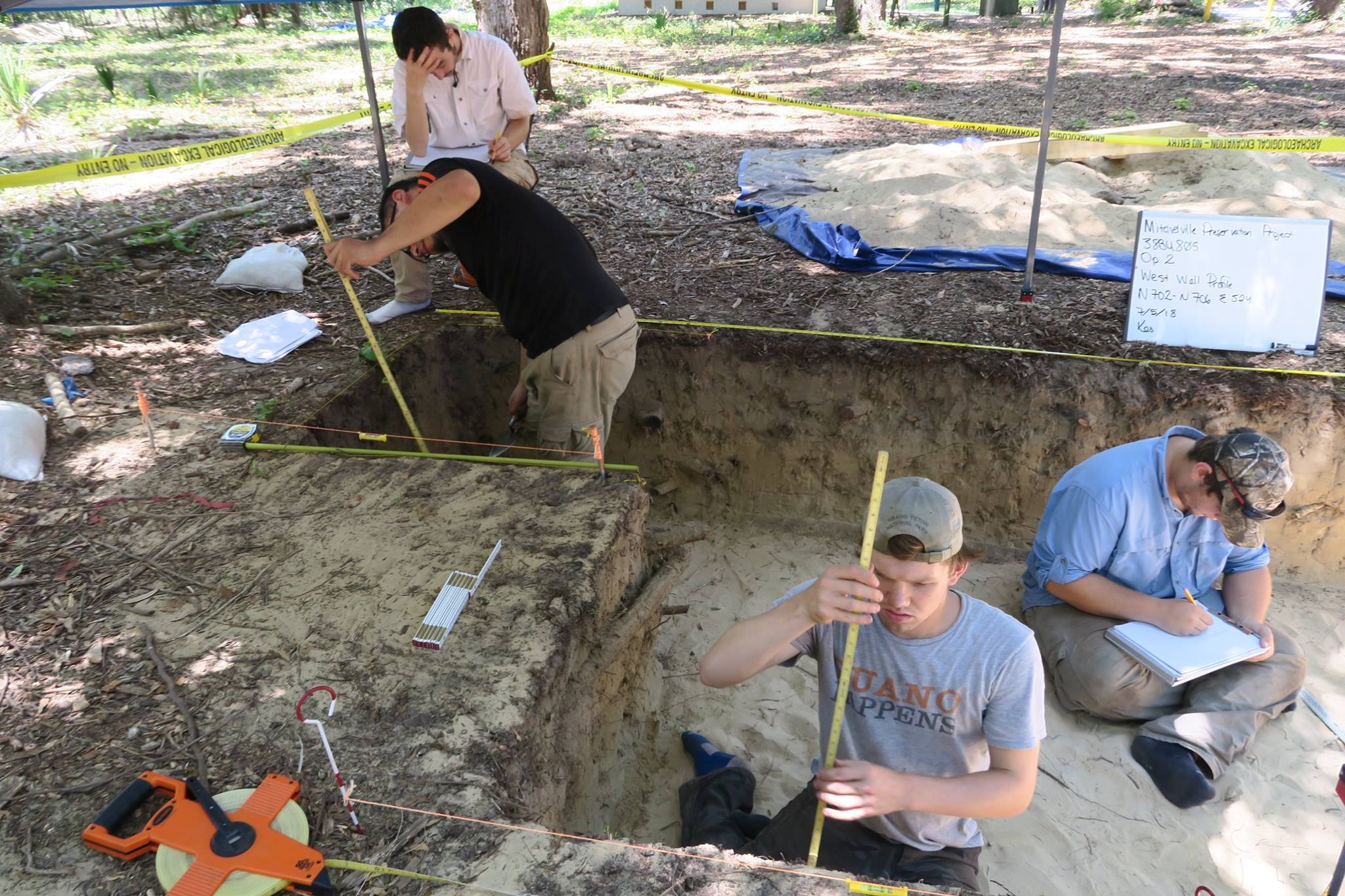
Archaeologists mapping the walls of the excavation pit.
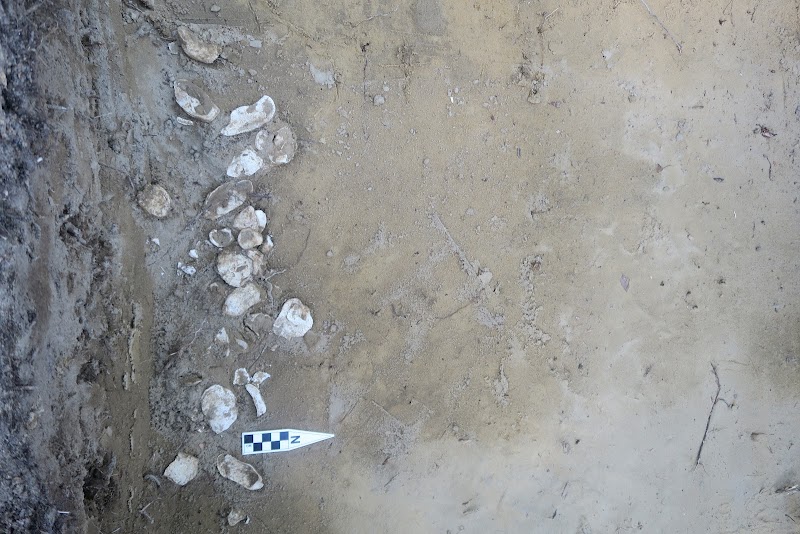
View of the edge of the excavation pit showing a feature.
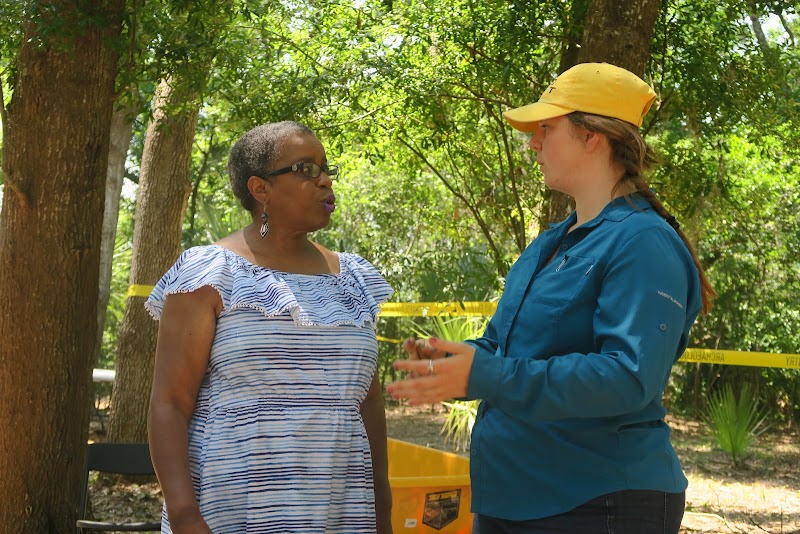
Park Griot Miss Cora Miller visiting the archaeology site for the first time.
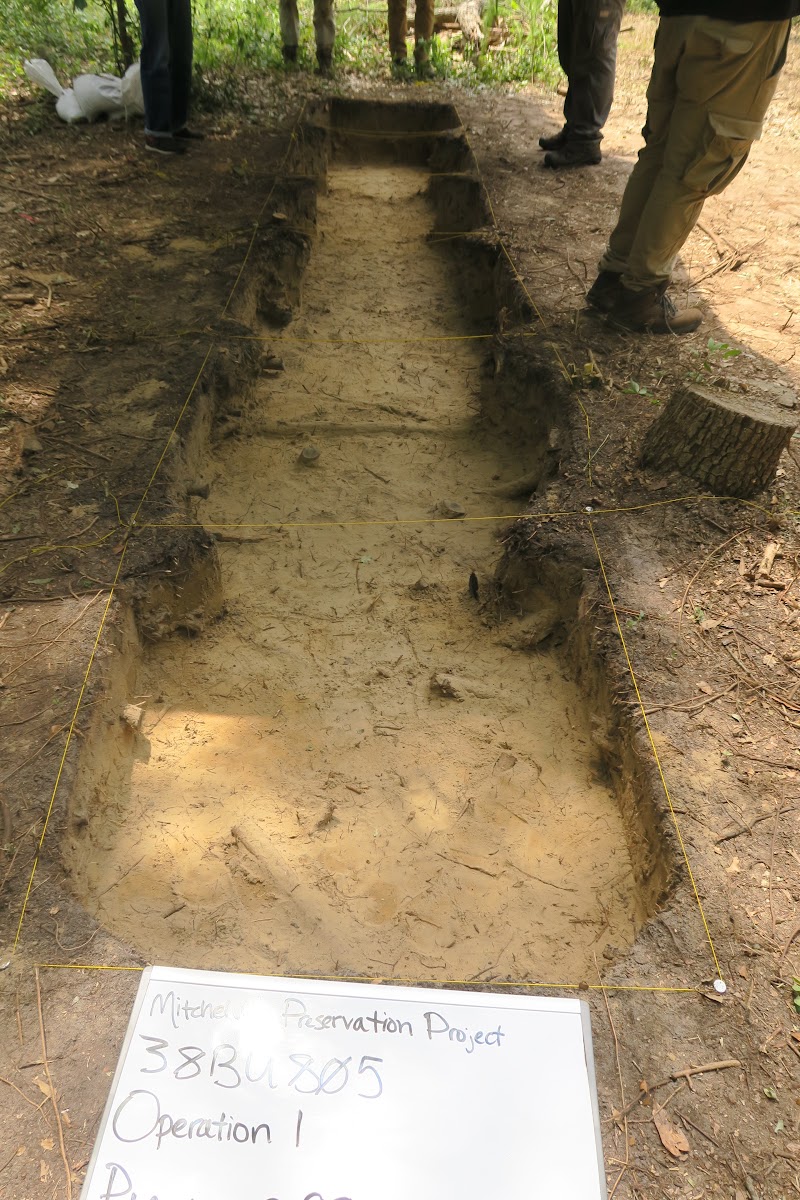
The very first units (the word for these square blocks) the first day of the 2018 excavation.
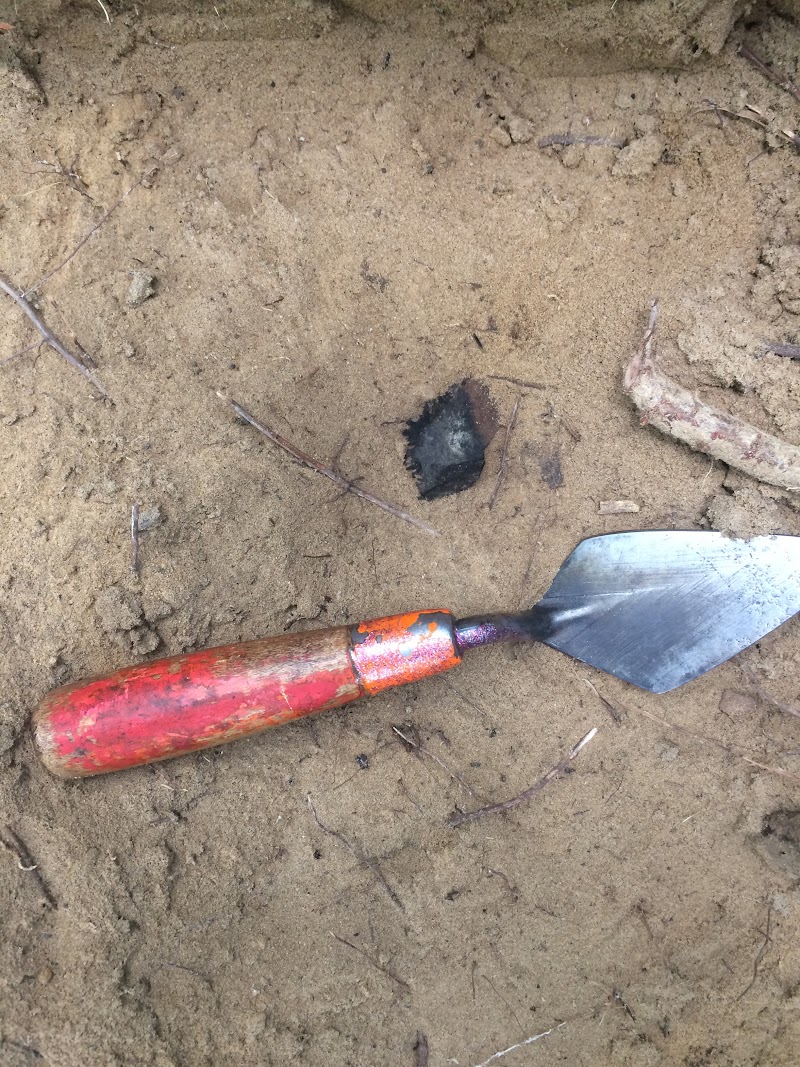
A artifact peaking out of the soil in the first days of the 2018 excavations.
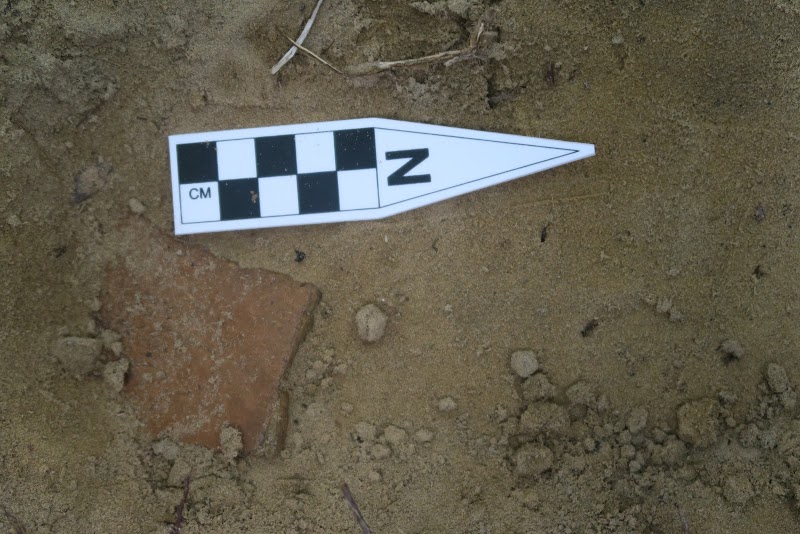
A piece of Colonoware pottery emerging from the soil.
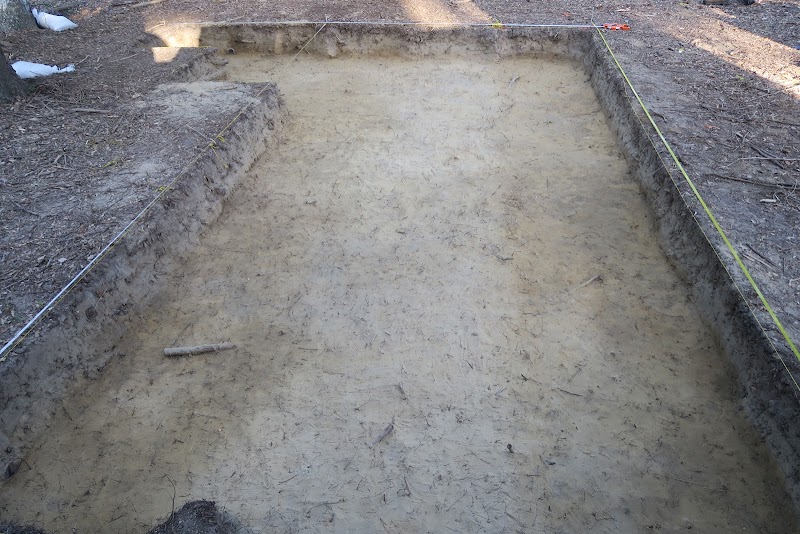
The excavation pit, called a Block, showing the shadow of a large feature on the left side.
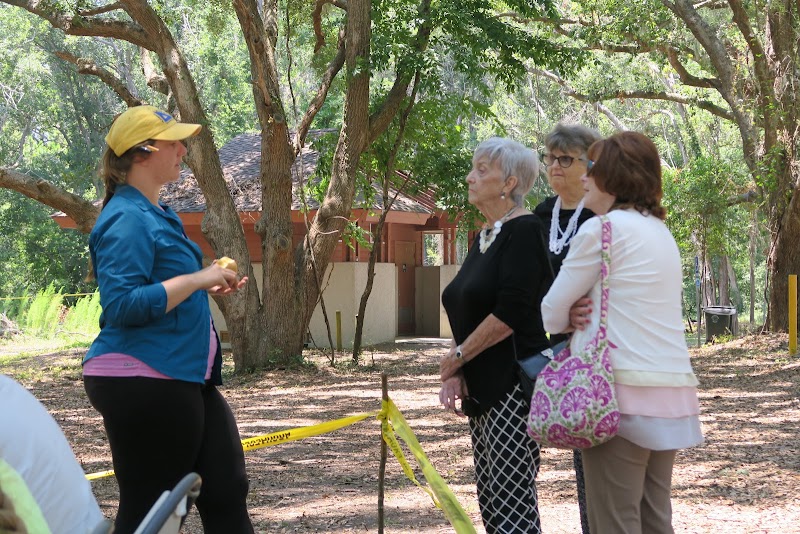
The Field Director of the excavations talking to site visitors from (WOMENS CLUB ASK AHMAD)
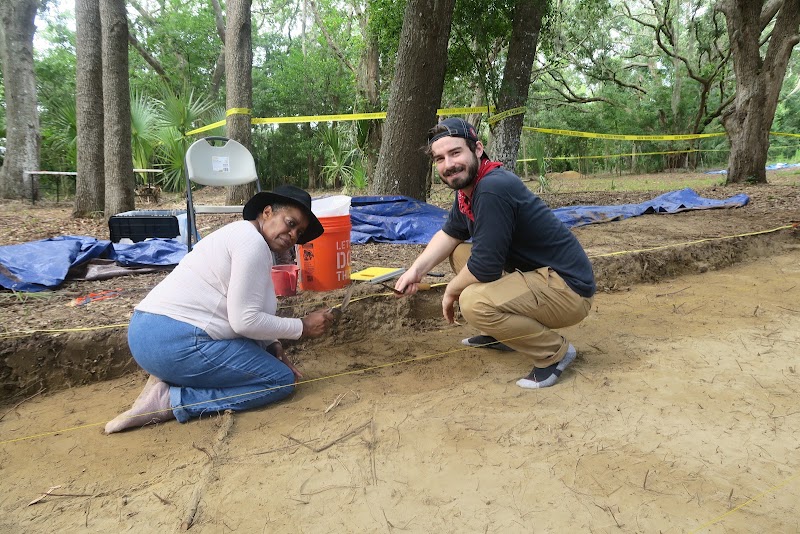
Griot Cora Miller working with the dig team learning how to do archaeology.
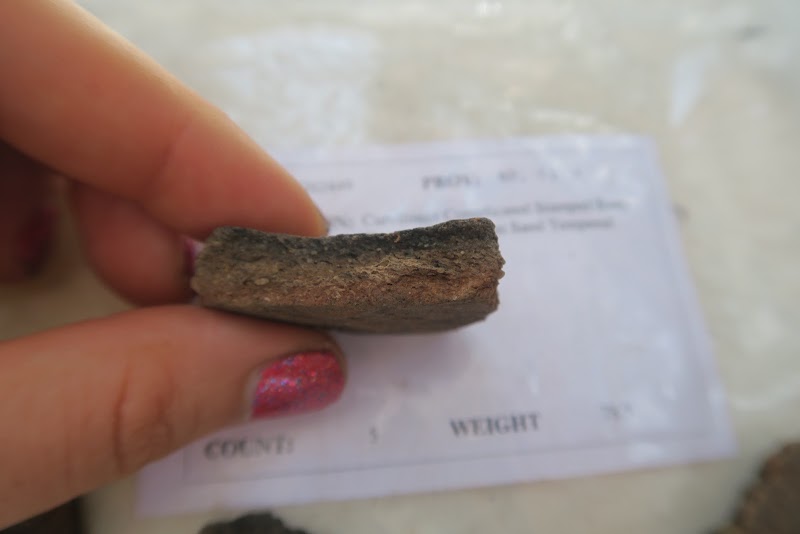
The middle of a piece of ceramic, showing what it was made from and how it was made.
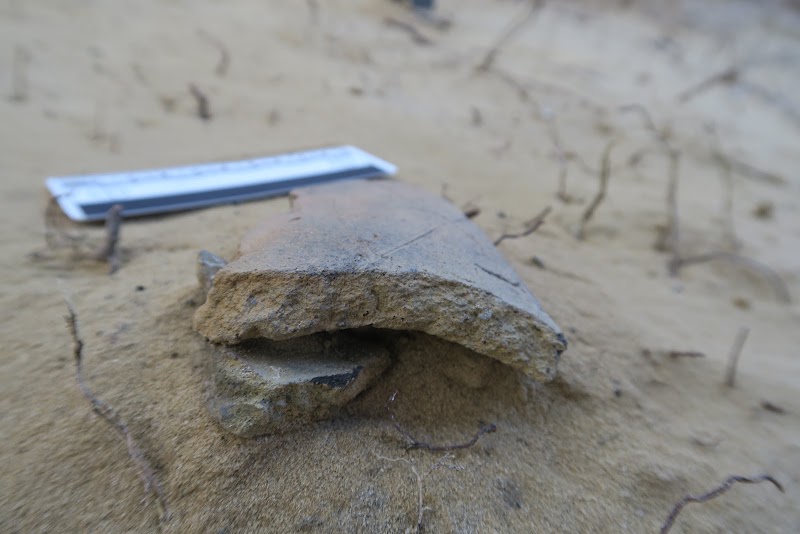
Two pieces of a Colonware, the top marked with an X.

Archaeologist speaking with a group of site visitors during excavations.
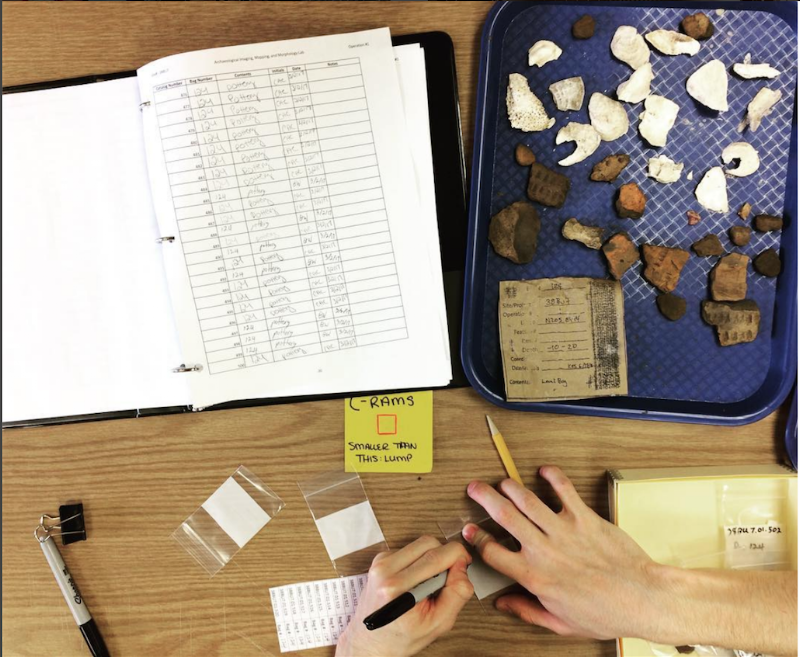
Student archaeologist processing artifacts in the Binghamton lab.
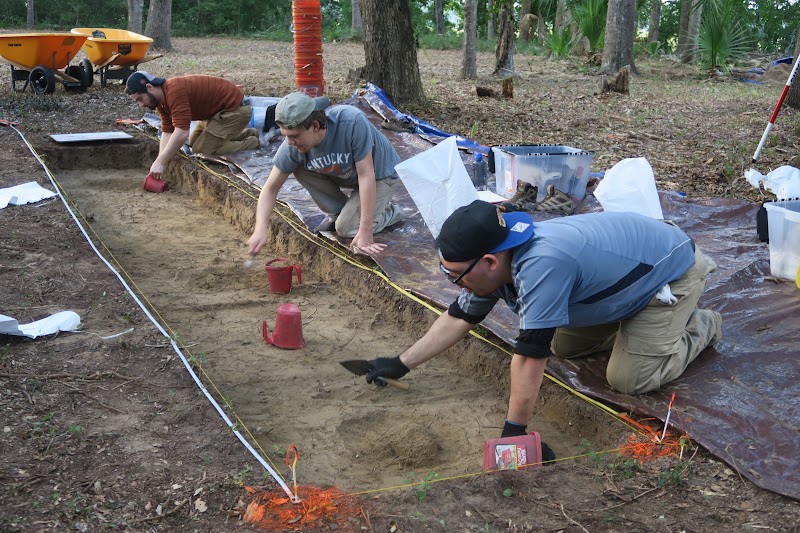
Archaeologists taking samples of excavtion soil to later test size and contents.

Archaeologists excavating the first trenches of the Praise House dig.
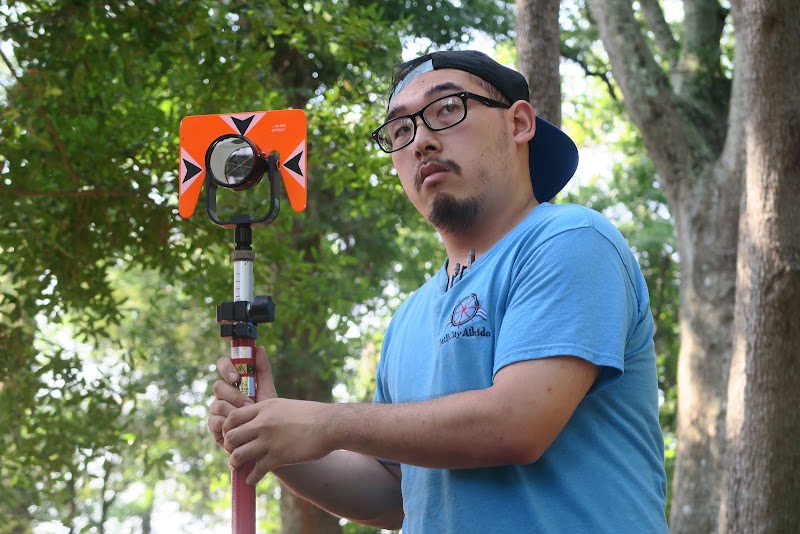
Archaeologist Wei Hoa Ng holding the stadio rod for the total station while mapping.
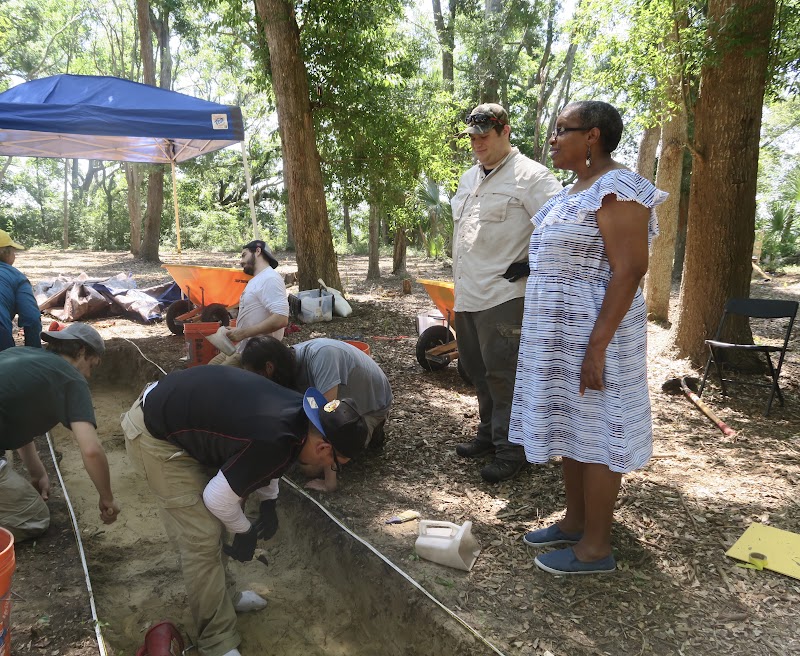
Archaeologists work to excavate while Griot Cora Miler learns about the process of archaeology
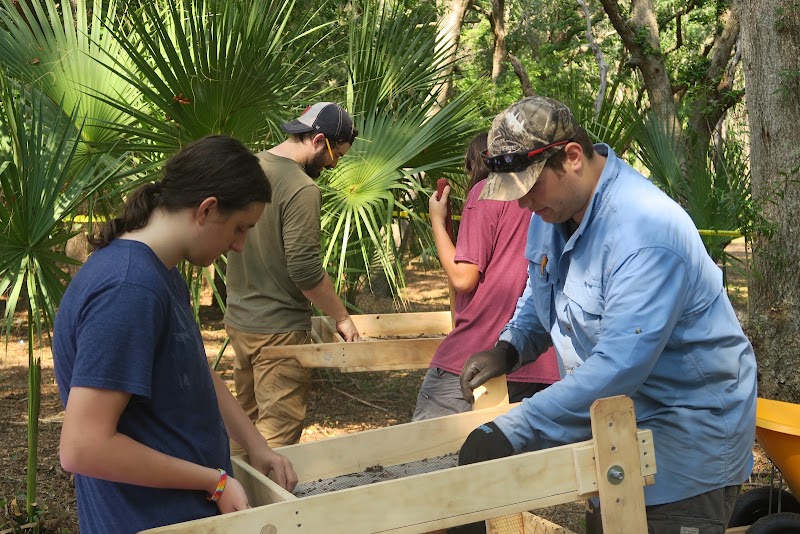
Student archaeologists looking in the screens for artifacts during excavations.
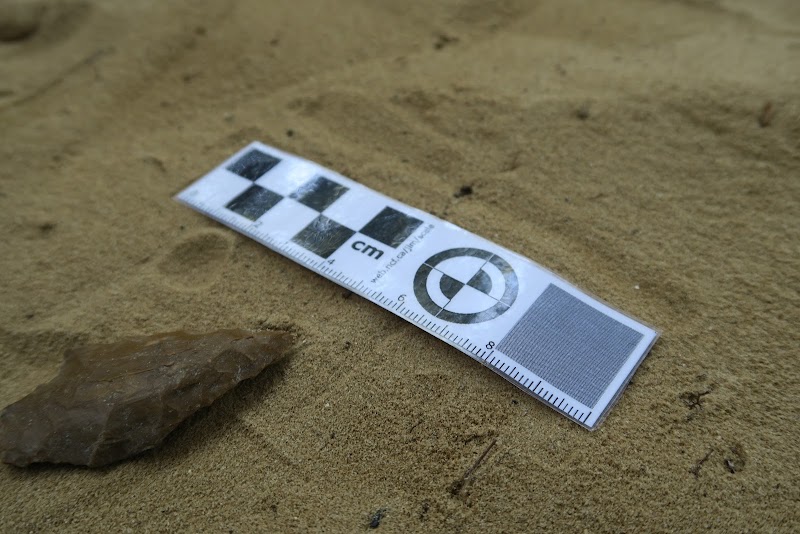
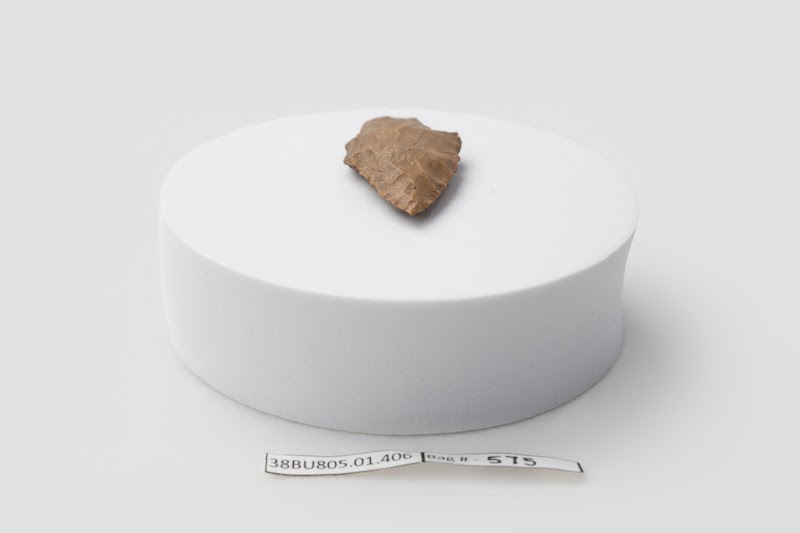
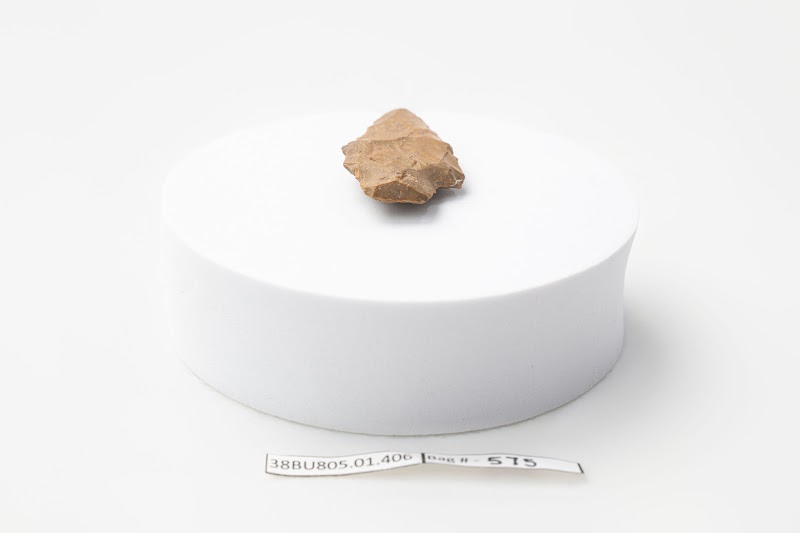
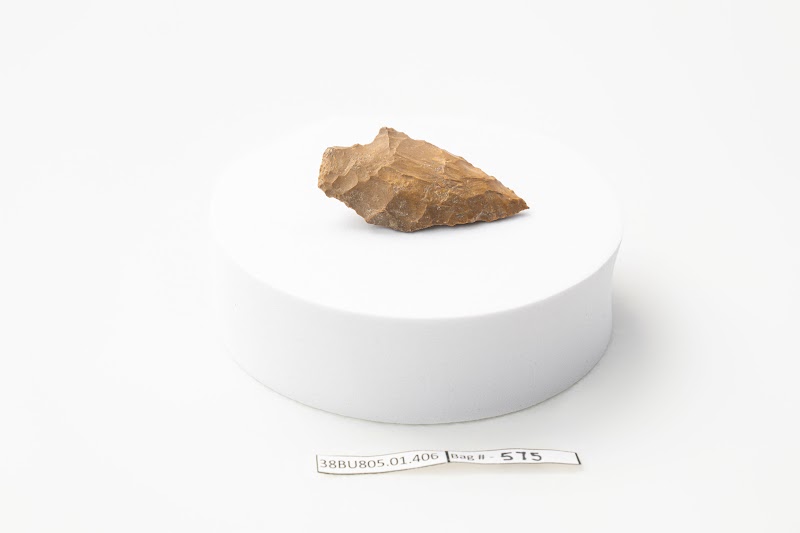
A projectile point found in the excavations.
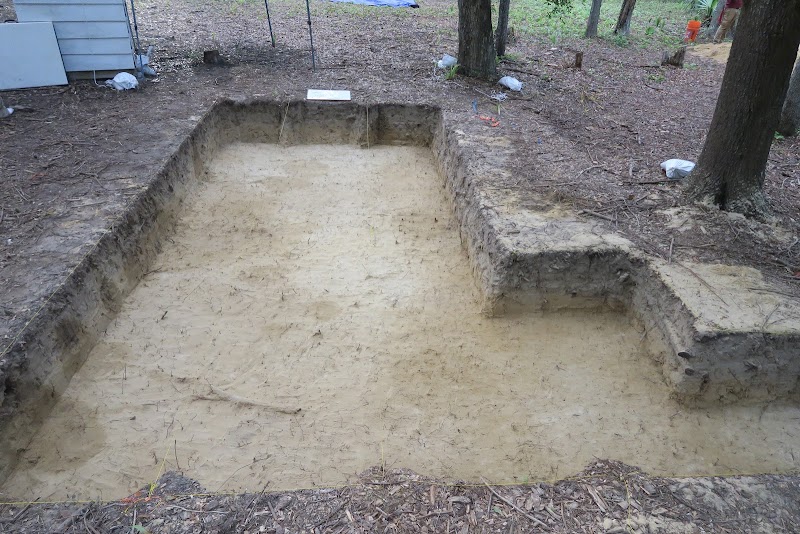
Excavation pit in search of the original Praise House or Church directly behind first Praise House exhibit
Artifacts
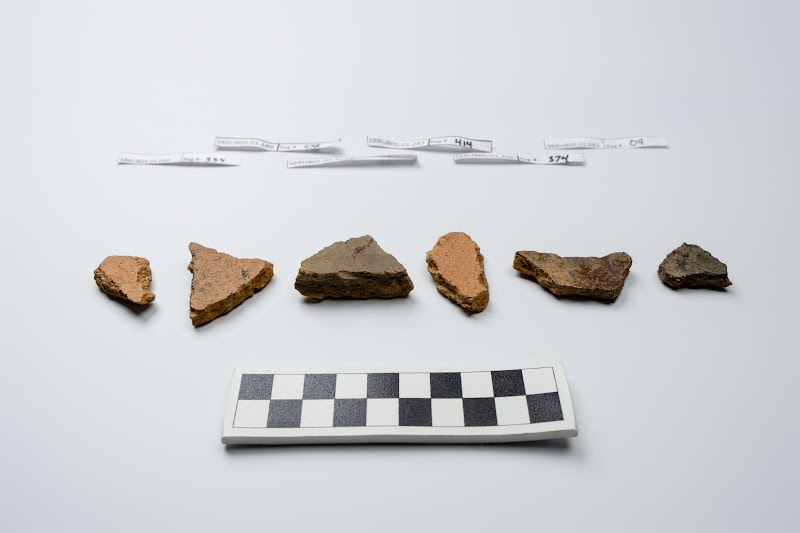
Array of interiors of TYPE Indigenous ceramic sherds
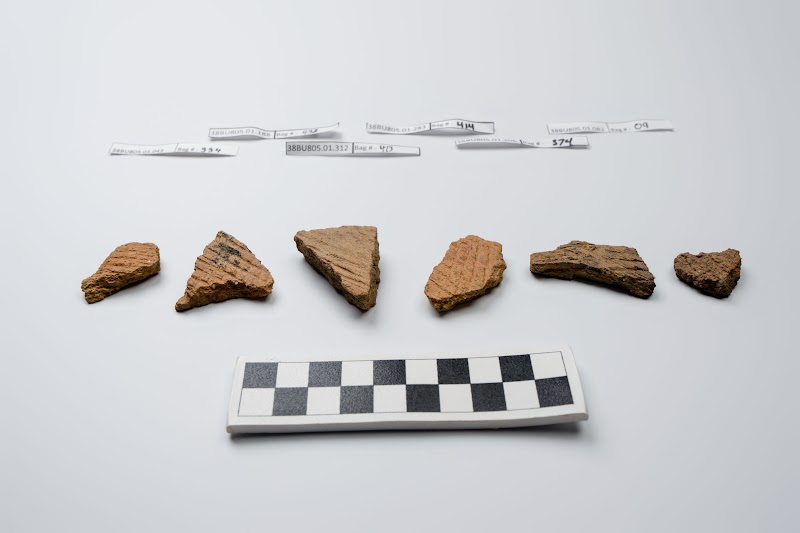
Array of exteriors of TYPE Indigenous ceramic sherds

Two pieces of TYPE Indigenous ceramic pot sherds.
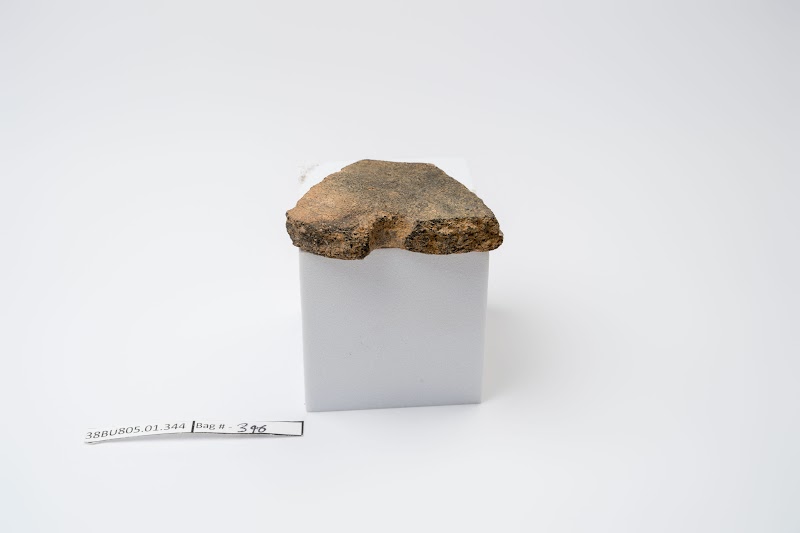
TYPE ceramic sherd with a mending hole.
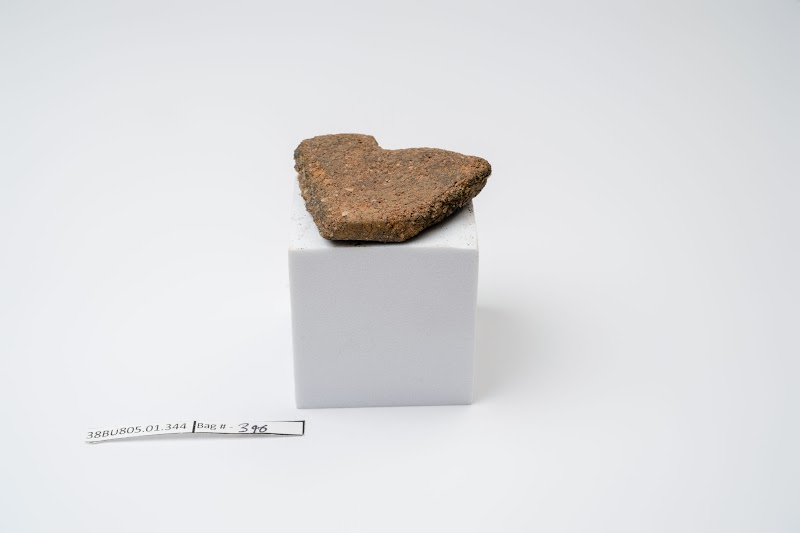
Interior of TYPE ceramic sherd with a mending hole.
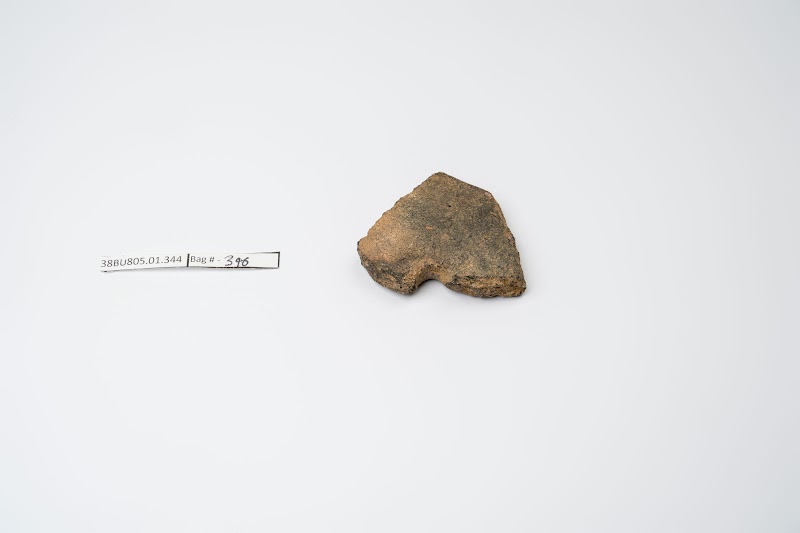
Ceramic sherd with a mending hole.
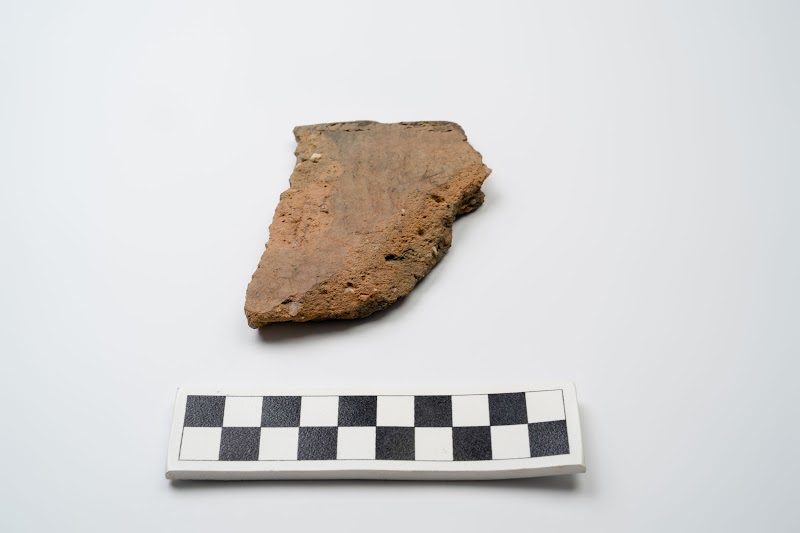
Large piece of TYPE Indigenous ceramic sherd
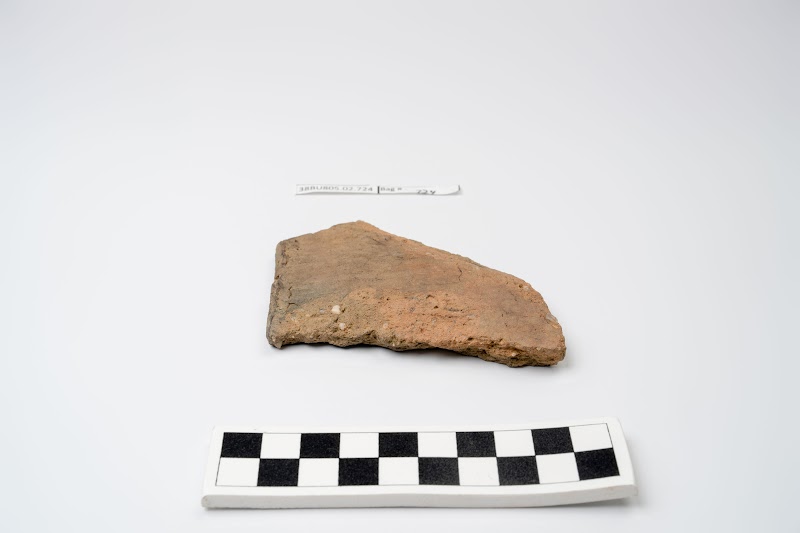
Large piece of TYPE Indigenous ceramic sherd
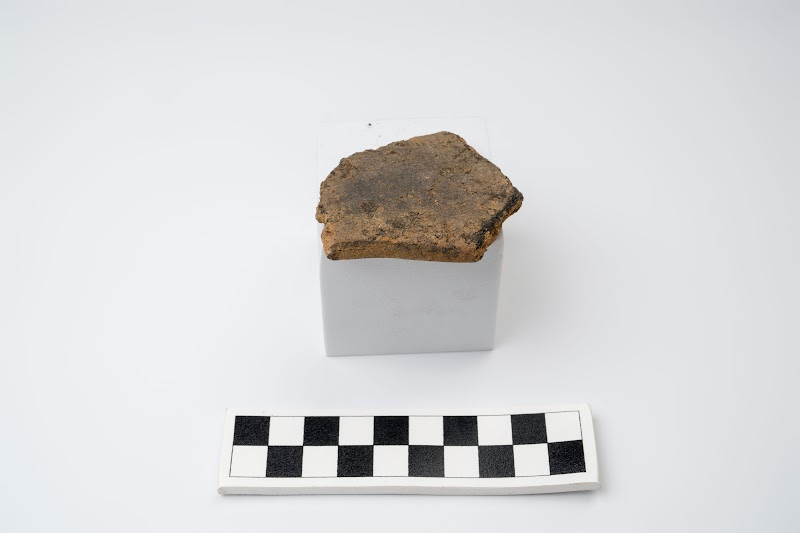
Large piece of TYPE ceramic sherd

Interior of large piece of TYPE ceramic sherd
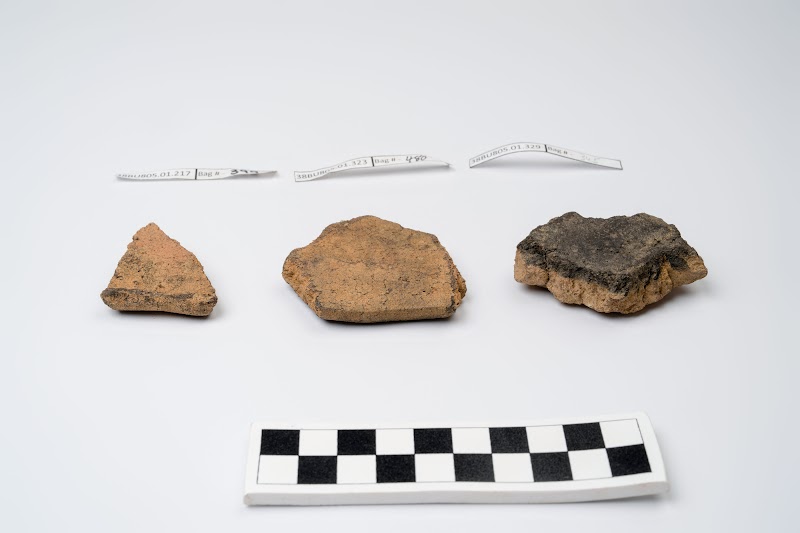
Three pieces of the same TYPE vessel interiors
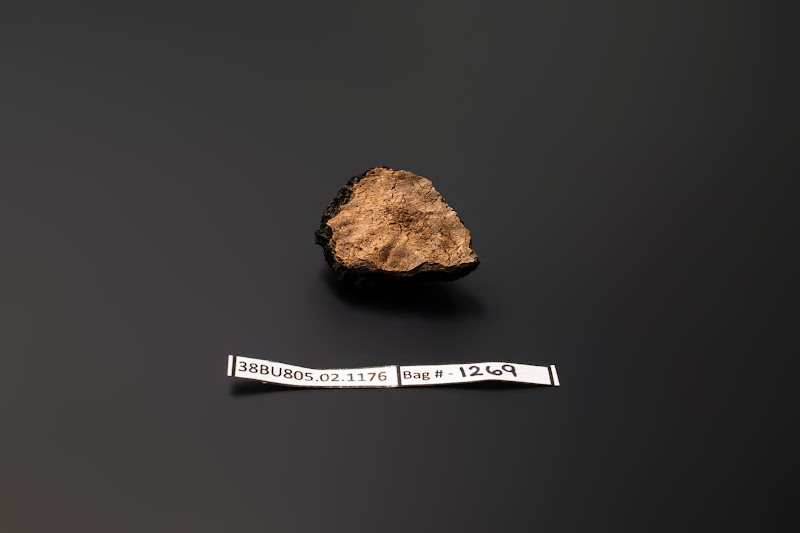
Piece of faunal, or animal bone (interior)
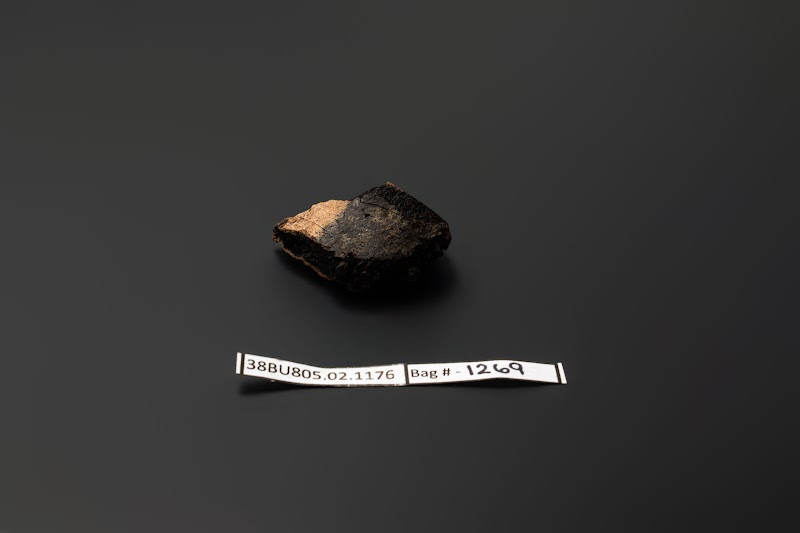
Piece of faunal, or animal bone (exterior)
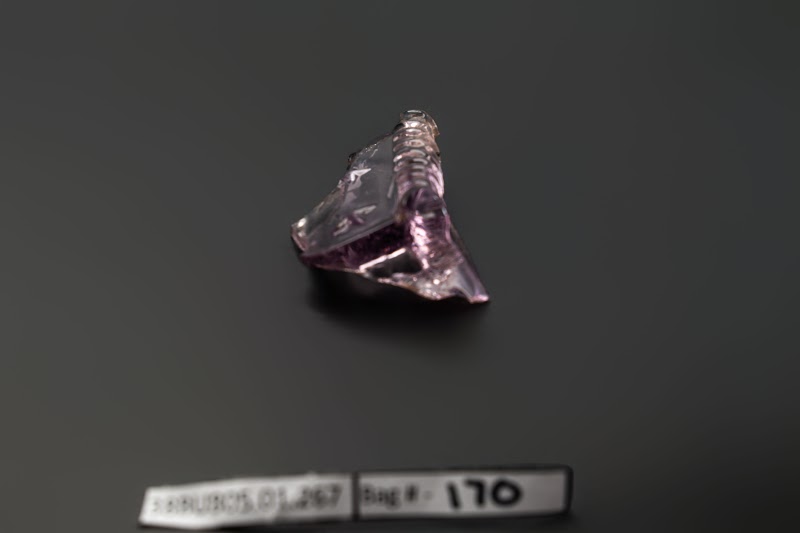
Corner of a pressed glass bottle sometimes called "amythest glass".
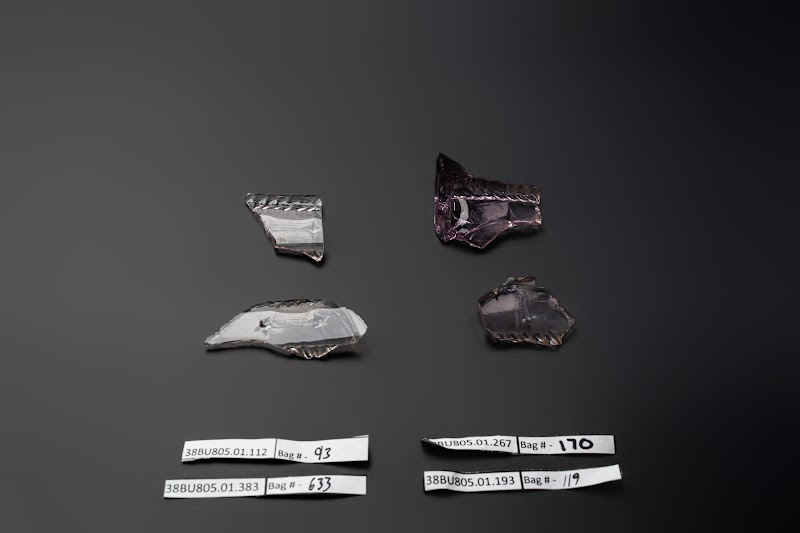
Four pieces of the same broken pressed glass bottle.
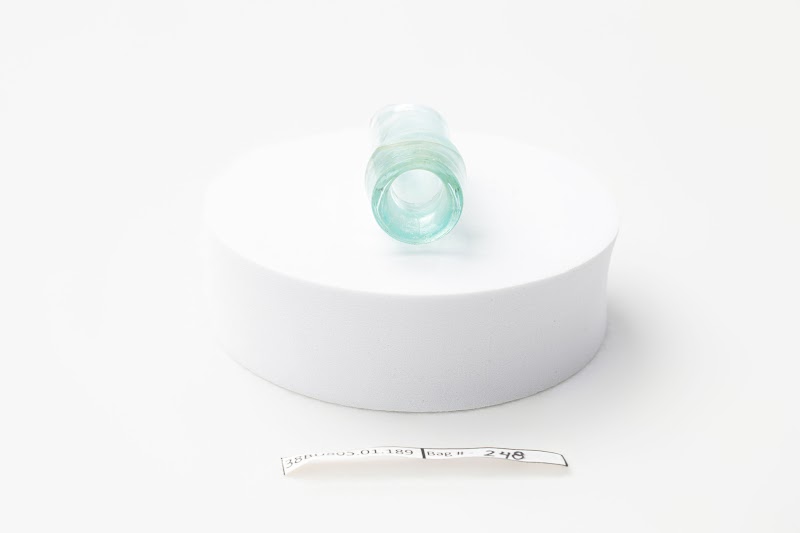
The top or "finish" of an aqua glass bottle

The top or "finish" of an aqua glass bottle